How to Build Low Cortisol Aim in Valorant for Calmer, More Consistent Duels
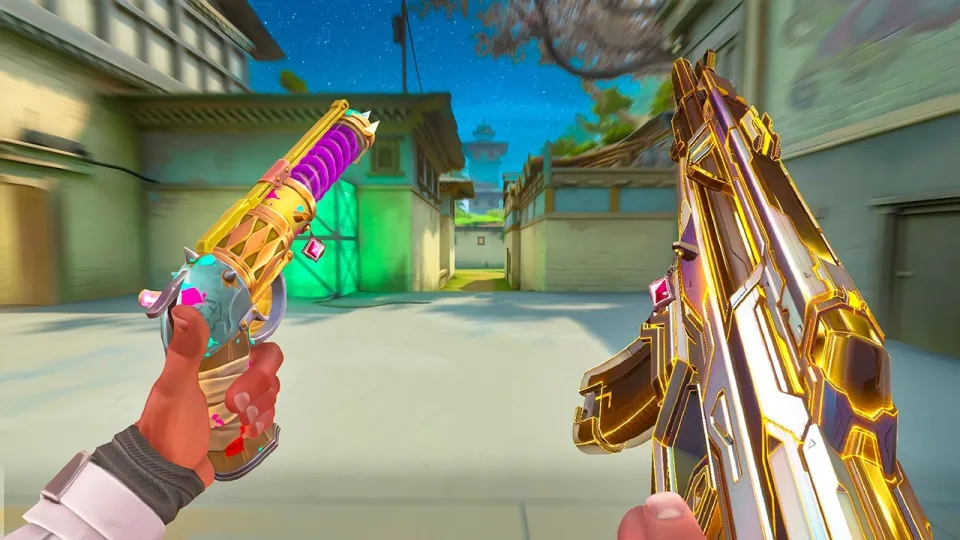
Video: low cortisol aim..
Want articles like this for your own video to promote it on YouTube and Google? Order them through the Telegram bot @sat_sit_bot. Articles with your video embedded are written and posted by the bot itself — on popular topical sites (no ads). Try it free: 50 articles on us.
· based on the channel Rawzu
Key takeaways
- Rawzu runs 400 DPI at 0.625 in-game sensitivity on a 1440x1080 stretched resolution.
- Crosshair code 1-6-2-2 pairs with a Logitech G Pro X Superlight 2 and an Artisan Zero Soft pad.
- The monitor is a Zowie XL2566K at 360Hz, so frame pacing matters as much as raw aim.
- Phoenix is the featured agent: Blaze walls block vision, Curveball blinds around corners, Run it Back adds a second life.
- Calm aim is a routine, not a talent: fixed sens, repeatable warmup and low-grip movement.
Low cortisol aim in Valorant means aiming from a relaxed hand and a stable setup instead of a tense, over-corrected flick. The practical recipe is a fixed sensitivity (400 DPI at 0.625), a stretched 1440x1080 resolution, crosshair 1-6-2-2, a light 60-gram-class mouse on a control pad, and a warmup that never spikes your heart rate. If you also want the hardware side handled, optimize your PC for Valorant with the Hone setup before you blame your aim.
The phrase comes from the Rawzu video "low cortisol aim..", a calm Phoenix highlight reel where the kills look almost boring: small corrections, no panic flicks, no wasted movement. That is the whole point. Below is how to reproduce the same conditions in your own ranked games.
What low cortisol aim actually means in Valorant
Low cortisol aim is the habit of taking duels with a loose wrist, a settled crosshair and a clear plan, so your hand does the minimum work required. In Valorant a tense player over-flicks, drags past the head and then re-corrects, which costs 100–200 ms and usually the round. A calm player pre-aims the angle, holds the line and lets the enemy walk into the crosshair.
Three things separate the two states:
- Grip pressure. A relaxed palm and fingers on the mouse shell, no white knuckles during a site execute.
- Correction size. Calm aim uses micro-adjustments of a few pixels, not half-screen swipes.
- Timing. Shots leave after the crosshair has stopped, not during the movement.
The Rawzu clip is a good reference because the Phoenix gameplay is aggressive in positioning but quiet in mechanics: wall down, blind out, entry, reset. The aim never looks like a highlight; it looks like maintenance.
The exact Rawzu settings behind calm aim
The most useful part of the video description is the full settings list, because low cortisol aim depends on consistency more than on raw talent. Copying a proven baseline removes one variable from your games.
- Sensitivity: 400 DPI with 0.625 in-game, a low-sens setup that rewards arm movement and small wrist corrections.
- Resolution: 1440x1080 stretched, which widens player models and makes heads easier to track.
- Crosshair: 1-6-2-2, a compact code that keeps the center clean.
- Mouse: Logitech G Pro X Superlight 2, a lightweight wireless shape.
- Mousepad: Artisan Zero Soft, a control-oriented cloth pad.
- Monitor: Zowie XL2566K at 360Hz.
The combination matters more than any single item. A low sensitivity on a fast pad feels heavy; the same sensitivity on a control pad feels planted. A 360Hz panel only helps if your PC holds high frame rates, which is why frame stability and background processes deserve attention before you touch your sens again.
How to train calm aim step by step
Calm aim is trainable in about 15 minutes a day if you keep the routine boring. The goal is not a higher score in an aim trainer; the goal is the same relaxed hand in round 12 of a ranked match.
- Fix your setup for two weeks. Do not change sensitivity, resolution or crosshair mid-block. Every change resets your muscle memory and adds tension.
- Warm up with slow tracking first. Five minutes of smooth horizontal tracking, then five minutes of static taps at medium distance. Speed comes later.
- Breathe on the entry. One slow exhale as you swing an angle keeps your shoulders down and your grip loose.
- Stop shooting during the flick. Let the crosshair arrive, then click. If you miss, reset the crosshair instead of dragging.
- Cap your sessions. Two or three Deathmatch games are enough. Long grinds raise tension and teach sloppy habits.
A useful self-check: after a death, look at where your crosshair ended up. If it is far off the angle you were holding, you over-corrected, and that is exactly the reflex low cortisol aim removes.
Phoenix utilities that support a calm duelist style
Phoenix is an offensive duelist built for hunting enemies while crippling their ability to fire back, which makes him a natural fit for a low-tension aim style. His kit lets you control the terms of the fight instead of relying on a fast flick.
- Blaze creates a wall that blocks vision and damages anyone walking through it, so you can cross open ground without exposing your body to three angles at once.
- Curveball is a flash that blinds enemies even behind corners, giving you a clean swing instead of a coin-flip peek.
- Hot Hands is a molly that heals Phoenix and damages opponents, useful for forcing a defender out of a safe spot.
- Run it Back is the ultimate that returns Phoenix to his marker with full health, which lowers the cost of an aggressive first contact.
The pattern is simple: use utility to shrink the number of angles you must hold, then take the duel with a pre-placed crosshair. Calm aim is much easier when the enemy has only one place to appear.
Common questions about calm aim and the setup
Viewers of the Rawzu clip kept circling the same doubts: is this really calm aim or just good movement, why do some kills look impossible, and how much does the mousepad matter. Those are fair questions, and they point at the three variables that decide whether your aim feels settled.
Movement is half the answer. A calm player strafes, stops, then shoots; a tense player shoots while moving and blames the crosshair. If your counter-strafe timing is late, no sensitivity will save the duel.
Weird angles come from information. Kills that look like teleportation are usually pre-aimed off a sound cue, a teammate's contact or a known rotation timing. The hand looks fast because the decision was already made.
Peripherals are a multiplier, not a fix. An Artisan Zero Soft and a Superlight 2 give a predictable, low-friction feel, but a player who grips hard and changes sens weekly will not notice the difference. Stabilize your input before upgrading your desk.
Useful links
- Optimize your PC for Valorant — the Hone setup linked by the channel for frame stability and lower input latency.
- Rawzu's original music on Spotify — tracks from the creator behind the clip.
- Rawzu Discord community — settings talk, clips and general chat.
Final thoughts on low cortisol aim
Low cortisol aim is less about talent and more about removing friction: one sensitivity, one crosshair, one pad, one warmup, and a Phoenix game plan that limits how many angles you have to cover. Copy the 400 DPI / 0.625 baseline, keep your grip loose, and judge your aim by how few corrections you make rather than by how fast your flicks look. The Rawzu channel is a useful reference here, because the "low cortisol aim.." video shows the style as it plays out in real ranked-style fights rather than in a training range. Before your next session, set up your PC for Valorant through Hone so the only variable left is you.
Questions & answers
What sensitivity does Rawzu use in Valorant?
Rawzu plays at 400 DPI with 0.625 in-game sensitivity, a low-sensitivity setup that leans on arm movement and small wrist corrections. The same description lists a 1440x1080 resolution and crosshair code 1-6-2-2. Copy it as a baseline and keep it fixed for at least two weeks.
Does a mousepad like the Artisan Zero Soft really improve calm aim?
A control pad gives consistent stopping power, which makes small corrections more predictable, so it supports a calm style. It will not fix over-flicking or a changing sensitivity, though. Treat the pad as a multiplier on top of stable settings, not a replacement for them.
How do I stop tensing up during important Valorant rounds?
Lower grip pressure, exhale as you swing an angle, and pre-aim a single line instead of scanning several. Using utility like Phoenix's Blaze or Curveball narrows the fight to one angle, which reduces the urge to flick. Short warmups and capped Deathmatch sessions also keep tension from building.
Why does calm aim look so fast in highlight clips?
Most of the speed is preparation: the crosshair is already placed from sound cues, teammate contact or rotation timing, so only a tiny correction is left. The hand looks explosive because the decision happened earlier. That is why copying settings alone does not reproduce the result.
Source: low cortisol aim.. · Markdown version